
Avoiding Panic During the Current Period of Uncertainty
Kevin Turner • March 16, 2026
Tips for Remaining Stable during Chaotic Times
For an audio version of this article, click Play in the sound bar below.
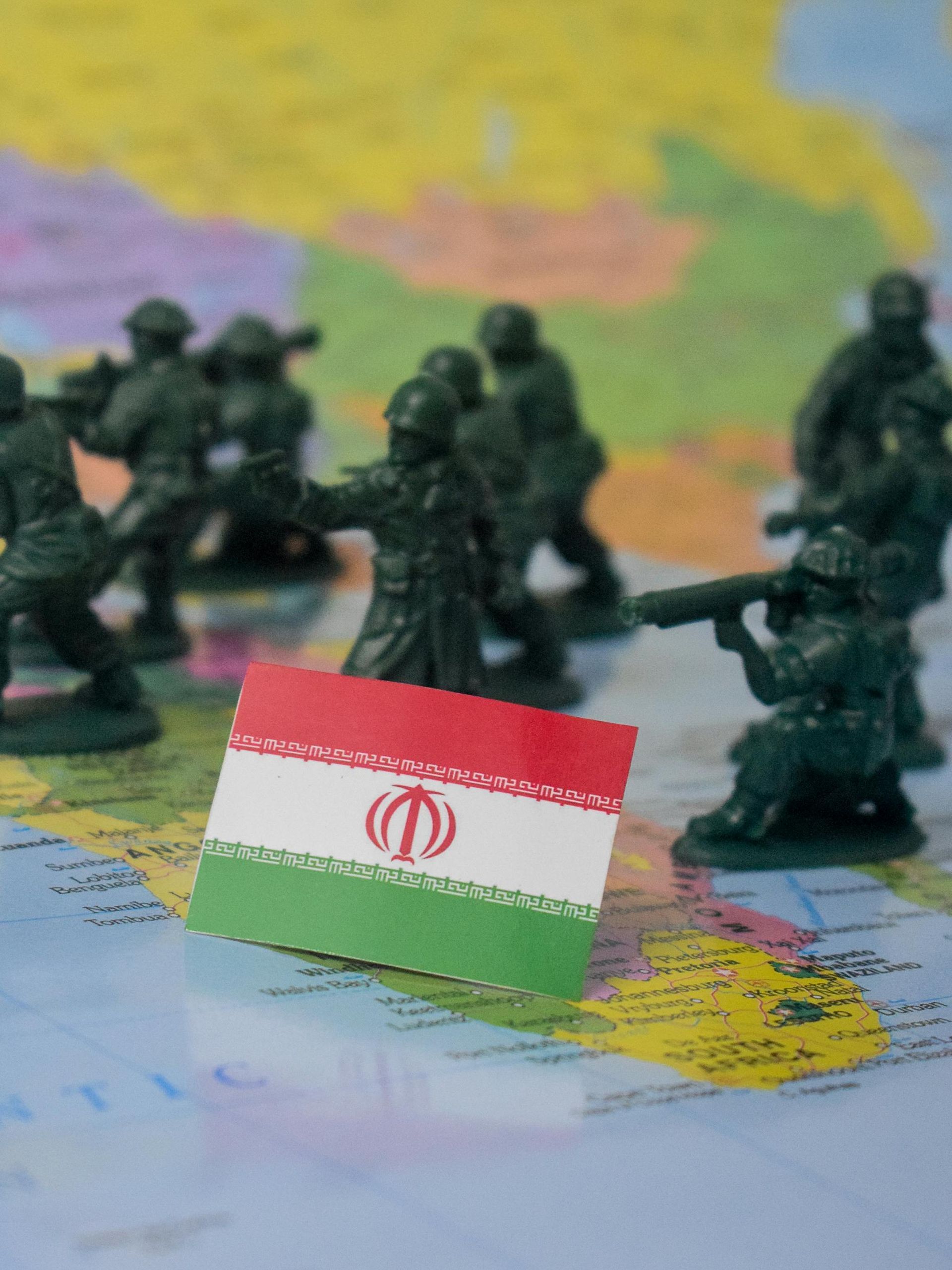
As of the writing of this article, the United States is engaged in a military conflict (AKA War) with Iran after having conducted a bombing campaign at the end of February. There are a lot of questions as to why we chose this course of action and the timing of it, but there has been and will likely continue to be fallout from the decision to take such aggressive action. There are some obvious financial impacts that many of us feel as a result of the situation, but to focus on the financial impact minimizes the human cost that is being paid. U.S. lives have been lost, and other countries involved in this conflict have had their share of deaths as well. As we consider the ways this situation a world away is impacting our finances, we should not forget that some families will feel the effects of this in a variety of ways for many years to come. From a financial perspective, there are direct costs that we can easily see, but there are also plenty of indirect costs that we may incur, and we have to be mindful of those as well. Situations like this with geopolitical turmoil happen from time to time, and those situations can create financial disruption, so in this issue of the newsletter, we will discuss some tips that can help you keep your finances on the right track even as we face a period of uncertainty with how this conflict will play out.
Keep from Blowing Your Budget as Costs Increase
With this war occurring in the middle east, the first thing that comes to mind is how it will affect fuel prices. Within a week from the U.S. strikes on Iran, gas prices in the U.S. increased by around 15% because of the expectation that we will experience oil shortages in the near future. Unfortunately, that may be only the tip of the iceberg, as is often the case when fuel prices are impacted. Most of the goods and services we buy either require transportation or in some other way have fuel cost as an input. So, not only can we expect that we will pay more at the pump, but other items we buy eventually are likely to increase in price as well. Many households are already struggling to deal with the price of so many things today, so this only adds more stress to an already stressful situation. All wars have their own set of circumstances, but the war in Iraq that began in 2003 and was initiated by the U.S. may be the closest proxy for what is happening now. For those who may not remember, in that instance, the U.S. went to war with Iraq over the claim that they were in possession of weapons of mass destruction (WMDs), and it resulted in the overthrow of Iraq’s leader, Saddam Hussein, and the eventual collapse of their government. The initial invasion and the political upheaval that occurred in Iraq happened within the first several weeks, but resentment from locals in the region sparked an insurgency, and the war dragged on much longer than originally anticipated, eventually spilling into Afghanistan. In total that war continued all the way through 2011. The cost the war that was confined to Iraq was an estimated $2 trillion, but with the continual military actions that followed, there was an additional cost of as much as $6 Trillion. Separate from the increases in direct costs Americans saw in the things they bought, the cost of that war was ultimately paid by the federal taxpayer. Obviously, the decisions on how the U.S. will proceed with its war plans in this case is outside of the average person’s control; however, individuals and families still have to make decisions day-to-day that are within their control. You may not have the luxury of driving a lot less than normal, but where you have discretion over your driving trips, you may want to be more mindful and avoid driving more than necessary while fuel prices are elevated. The same can be said for other forms of travel because most transportation is going to be affected by fuel costs, so if you can delay non-essential travel for the time being, it could help you keep more money in your pocket.
Making Sense of the Markets
Trying to project where the stock market will go based on something like the war in Iran is an exercise in futility. Will the markets respond to the news of the day? Certainly, but can we ever say that the reason for how the markets moved on a given day is only related to that piece of information? No. The reality is that the markets are complicated and factor in so many different data points that it is difficult to pinpoint how any individual factor figures into the market’s movements. Needless to say, a war such as this does not tend to have a positive effect on the markets, partly for the increases in costs just described. However, on the other side of the coin, with increased fuel prices, fuel companies could actually profit from the situation. Again, if we turn back to the war in Iraq as a reference point and now with hindsight, it is interesting to note that you did not see a significant decline in the stock market, either initially or longer term that could be tied back to the war. The biggest decline during the time of the extended war happened in 2008 and 2009, but that decline was largely driven by the global financial crisis. Returning to the present, in the week since the bombing began in Iraq, the S&P 500 dropped by about 2%. With so little time to evaluate the response of the stock market, it is much too early to assess what the effect of the Iran war will be on the movement of the market. With that said, the impact of increasing costs will probably weigh on how the markets respond because inflation is already a big factor in the direction of the market, and that is likely to get worse if higher fuel prices persist. In addition to that, there is the potential that the concerns noted could slow economic growth, which could negatively impact employment. All of this provides the potential for not only big swings in the stock market but market also a decline in the level of the market indexes. Based on those circumstances, the short-term outlook does not look rosy, but if you are an investor, it is never wise to engage in short-term thinking. Yes, personal circumstances may lead you to liquidate investments before your anticipated holding period has concluded, but when investing, it is wise to look at a timeline of years and not months. Does that mean, it is unwise to pay attention to the current market? No, you should factor in what is happening now, but you just shouldn’t base long-term decisions on what may be a shorter term situation.
Guarding Your Mental Health
The first two tips we discussed are things where you can see a direct financial impact of the war, but there are also things that indirectly can affect you financially as well, perhaps most notably the way you are feeling and how it causes you to behave. Anytime we are under stress, our decision making is likely to be impacted. Sometimes stress may work in a positive way, creating sharper focus, but it also can cause us to make poor decisions that we may regret later. As such, this tip is not strictly about the war itself but how it could affect your mental state, and the decisions you make as a result. One thing that is common when people are under stress is the use of “retail therapy” to make you feel better. Buying something can give you a jolt of good energy right away, whether it is something you should or shouldn’t buy. While you may feel an initial boost from the purchase, you may look at it later and ask yourself if it was really something you should have bought. Often the answer is no, and that’s when the consequences of your behavior can have a direct financial impact with spending that may not have been in your plans. We already discussed it, but in times like these when uncertainty grows, the markets will tend to become more volatile. This can cause people to make investment decisions with less of a long-term approach, but also can result in a pullback in the value of your investments, and therefore a loss of feeling as financially secure, which can again lead to additional poor financial decisions.
When events that are so far outside our control happen, like this war in Iran, the anxiety of the moment can lead us to decisions that hurt us financially. As with so many things, it is often worthwhile to pause in a moment of stress and get your bearings so you can be clear-eyed about the best way to proceed.
Stewardship Emphasis
When you are in the eye of the storm, all you want to do is escape to safety. Sometimes you have to get comfortable even in difficult surroundings, which can eventually make you stronger.
The Empowerment Channel | Volume CCXLVII | Dedicated to Promoting Financial Education through Stewardship